All Categories
Featured

Prescription Drug Coverage Options for 2026
Among the most appealing features is the ability to access the money value through policy loans and withdrawals, frequently on a tax-free basis, provided the policy is structured properly and stays in force. Policy loans are usually ruled out gross income. Withdrawals approximately the amount of premiums paid (your cost basis) are normally tax-free.
It's important to comprehend that if the policy lapses or is given up, outstanding loans and gains might end up being taxable. The adjustable premium payments and possible survivor benefit options supply a degree of flexibility not constantly found in other permanent life insurance coverage items. While concentrating on cash development, the policy still supplies a crucial death benefit for recipients, using monetary defense for your loved ones.
The "finest IUL policies for money build-up" will normally include competitive caps, involvement rates, and workable internal expenses. The "finest business for IUL" for retirement preparation might also provide beneficial loan arrangements. Keep in mind, these functions need to be evaluated together. A high cap may be balanced out by high fees or a low involvement rate.
Due to the fact that today's cap is not the entire story, our comparison of IUL renewal cap rates: F&G vs Pacific Life and Lincoln takes a look at how caps have changed over time. While IUL uses compelling prospective benefits, it's vital to approach it with a clear understanding of the associated threats and expenses.
Term vs Whole Life Insurance Comparison
IUL policies are inherently more intricate than term life or even standard whole life. Policy illustrations, which forecast future cash value development, are based on numerous assumptions about index performance, crediting rates, policy costs, and loan use.
It's vital to review illustrations based upon conservative assumptions and ensured aspects, not just the most favorable scenarios. IUL policies have different internal charges that lower cash worth growth. These can include: The charge for the pure survivor benefit security. This usually increases with age. A percentage deducted from each premium payment.
Expenses for any fringe benefits contributed to the policy. Fees used if you surrender the policy or withdraw considerable quantities, normally within the very first 10-15 years. These expenses are deducted despite index performance. High internal costs can considerably impede money value build-up, specifically in years with low or zero interest crediting.
While the floor safeguards against direct market * losses *, it does not ensure positive returns. If the connected index performs inadequately or remains flat for extended durations, your cash value might only make the flooring rate (typically 0%). After policy costs are subtracted, the cash worth could possibly reduce in such years.
Even in growing market years, your credited interest will not surpass the cap. Participation rates below 100% additional minimize the credited interest relative to the index gain. Providers can sometimes adjust non-guaranteed aspects like caps and participation rates over the life of the policy (within contractual limitations), which might impact long-lasting efficiency.

Latest Posts

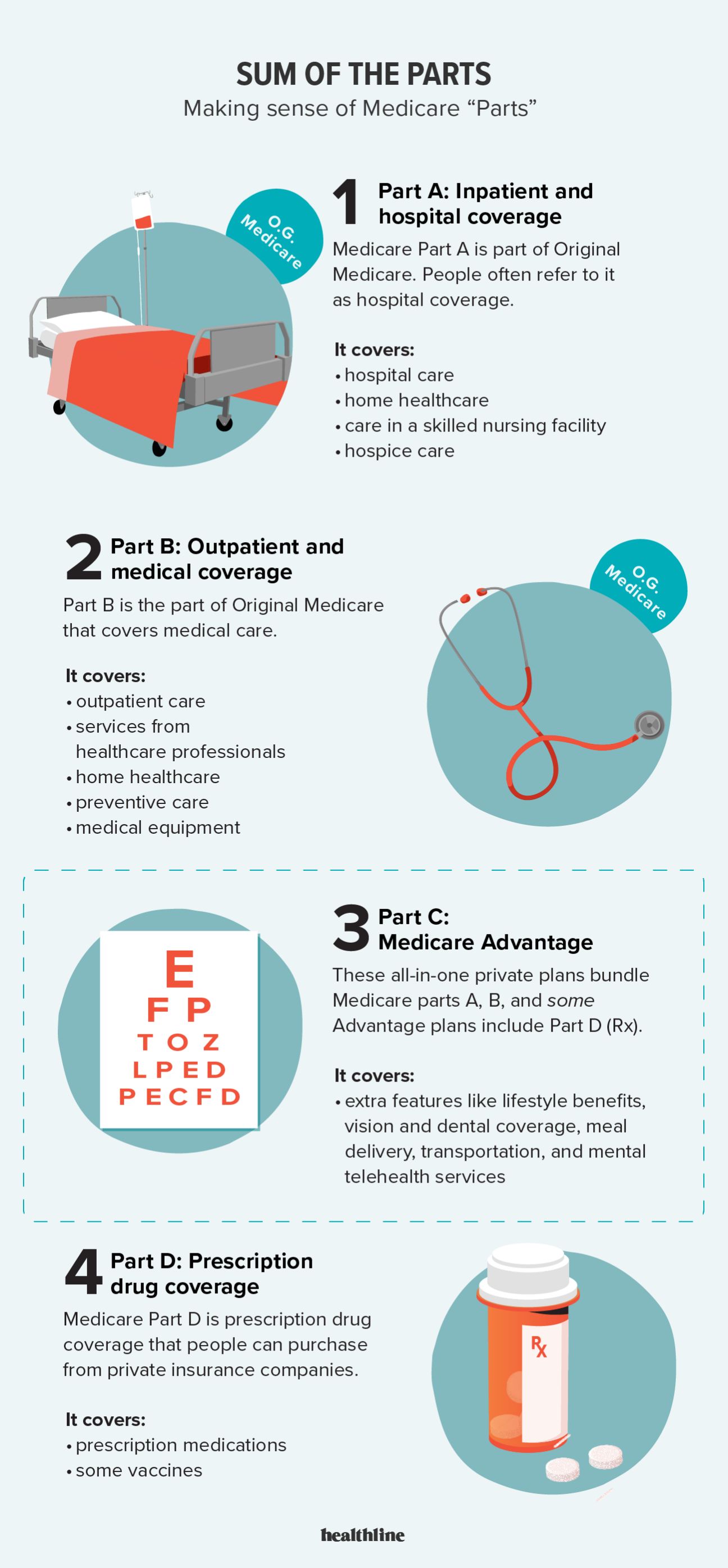
Selecting the Best 2026 Medicare Advantage Plans

Navigating Medicare Part D Coverage for 2026
HMO vs HMO: Finding the Best Plan